Football fit
Especially relevant for football clubs with many stakeholders
In football, information has to move fast: training times change, squads must be planned, feedback collected and parents or players informed.
Squad, availability and team information in one place. Coaches know who is coming before training - without Excel and Sunday evening calls.
This page is aimed at clubs that not only want to be digitally visible, but also want to organize their internal processes clearly in everyday sporting operations.
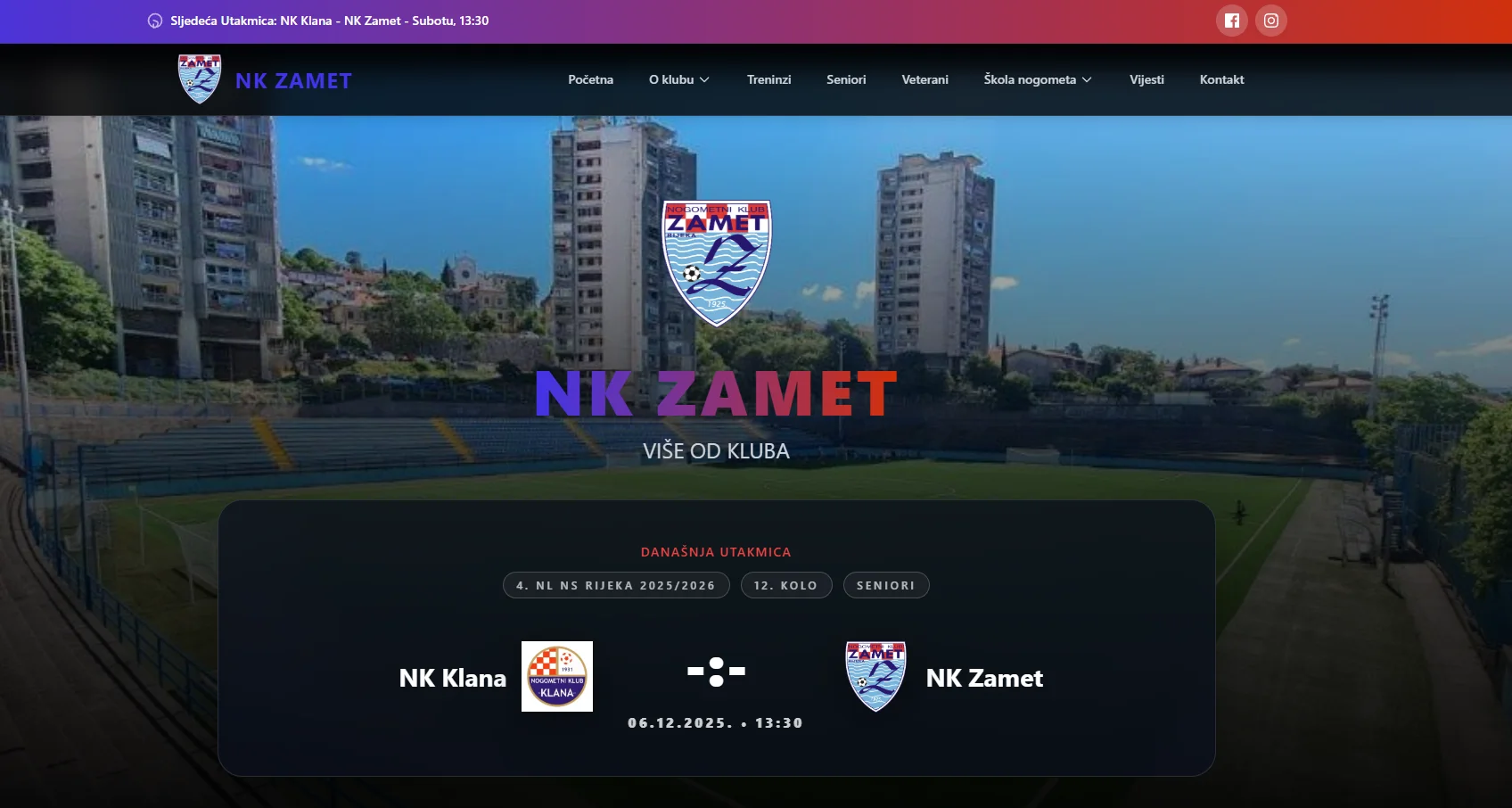
Quick explainer
Player management means running squads, contacts, availability, documents and training info in a structured way – instead of lists that restart every week.
Klub Base is the club platform where player management works together with website and app – one database for teams and responsible staff.
The solution
When player management is set up properly, it does not just save time. It also improves training planning, accessibility, transparency and cooperation between sporting leadership and the club.
Football fit
In football, information has to move fast: training times change, squads must be planned, feedback collected and parents or players informed.
Who it is for
The more teams and age groups a club has, the more important a digital structure becomes that does not rely on manual coordination.
Introduction
We do not start with technology. We start with your current workflows. That turns scattered lists, feedback and individual knowledge into a structure coaches, staff and club leaders can actually use.
No more scattered lists. All master data and teams in one place.
Players and parents report back digitally - coaches plan more securely.
Passports and forms are neatly assigned - less stress before the game.
The problem
As soon as multiple teams, coaches, parents or staff are involved, loose lists and chat groups are no longer enough. That is exactly where friction, media gaps and unclear responsibilities appear.
Squad data, phone numbers, player passes and feedback are often spread across Excel, WhatsApp and email. That costs time and creates errors.
Before training, it is often unclear who is coming, who is injured and which documents are missing. Too many decisions are still made ad hoc.
When only one or two people have the overview, player management becomes a risk. Processes need to live in the club, not just in people’s heads.
Try it for free for 14 days or book a demo - we will prepare everything for your board.
The solution
Good player management is not just a digitized list. It connects information, communication and responsibilities so that daily work becomes easier for coaches and club staff.
When player management is set up properly, it does not just save time. It also improves training planning, accessibility, transparency and cooperation between sporting leadership and the club.
Website, app and administration in one platform – the complete solution for your club.
Built for football clubs: from grassroots to ambitious leagues.
Professional club website that updates itself after every matchday.
News, schedules and documents in one app instead of scattered WhatsApp groups.
overview
No more scattered lists. All master data and teams in one place.
planning
Players and parents report back digitally - coaches plan more securely.
Security
Passports and forms are neatly assigned - less stress before the game.
communication
No group spam — targeted information to teams and parents.
Relief
Everyone works on the same database - without double maintenance.
growth
More teams, the same clear structure - even if the club grows.
Football fit
In football, information has to move fast: training times change, squads must be planned, feedback collected and parents or players informed.
The more teams and age groups a club has, the more important a digital structure becomes that does not rely on manual coordination.
That is why player management is not a side topic, but a central search topic for clubs that want to professionalize their organization.
Who it is for
With parent communication, feedback and multiple age groups, structured player management is especially valuable here.
Availability, squad maintenance and internal processes around training and matchday become much more robust.
When multiple teams, responsible roles and workflows come together, a shared data basis is needed instead of isolated solutions.
Fewer questions, clearer processes and better handovers also help at the organizational level.
Introduction
We do not start with technology. We start with your current workflows. That turns scattered lists, feedback and individual knowledge into a structure coaches, staff and club leaders can actually use.
Together we look at how player information, feedback and team organization work today and where the biggest friction currently appears.
Teams, roles, information and access are set up so they fit your real day-to-day work, not a generic tool.
Existing lists and processes are organized and taken over so you do not have to start from zero.
Player management only delivers full operational value once coaches, staff and responsible people actually work with it consistently.
FAQ
These questions cover the points most relevant for search intent and sales conversations.
No. Smaller clubs benefit strongly because organization often depends on just a few people. A clear structure saves time particularly quickly.
Member management looks at the club as a whole. Player management focuses on the sporting day-to-day: squads, teams, availability, communication and team-related processes.
Football is the strongest fit because training, matchday and squad processes appear especially often there. In principle, the logic also transfers to other team sports.
Yes. That is where the biggest benefit appears: internal processes become more structured while communication and digital presence become more professional externally.
Next step
In a demo we show how the squad, app and website work together.
Book a demo
Which product interests you?
Your contact details
Request sent!
We will get back to you shortly.
Confirmation to
We use cookies to provide you with the best experience on our website. Learn more in our Privacy Policy
These cookies are required for basic website functionality and cannot be disabled.
These cookies help us understand how visitors interact with our website.
These cookies are used to show you relevant advertisements.